

Overview Table: Common Reasons Phones Heat Without Use
| Cause | Description | Impact Level |
|---|---|---|
| Background apps | Apps running silently in the background | Medium |
| Network activity | Constant mobile data, Wi-Fi, or Bluetooth use | Medium |
| Battery processes | Charging, discharging, or battery aging | High |
| Software updates | System or app updates running silently | Medium |
| Poor signal strength | Phone works harder to stay connected | High |
| Environmental temperature | Hot surroundings or lack of ventilation | Medium |
| Malware or bugs | Faulty or malicious processes | High |
| Hardware wear | Aging components generating excess heat | Medium |
Introduction
Smartphones have become an essential part of daily life, yet many users experience a confusing and concerning issue: their phone heats up even when it is not actively being used. The device may be lying idle on a table, inside a pocket, or charging overnight, and still feel warm to the touch. This phenomenon often raises questions about battery health, device safety, and long-term performance.
Phone heating without active use is not always a sign of a defect. Modern Phones Heat are complex systems running multiple background processes, maintaining network connections, and managing power continuously. Even when the screen is off, the phone is rarely truly inactive.
This article explains in detail why Phones Heat up without usage, the technical and environmental reasons behind it, how to identify normal versus abnormal heating, and what users can do to reduce unnecessary heat. Understanding these factors helps extend device lifespan, maintain performance, and avoid potential damage.

Understanding Smartphone Heat Generation
How Heat Is Produced Inside a Phone
Phones Heat is generated whenever electrical energy is converted into computational work. Components such as the processor, modem, battery, and power management chips all produce heat as they operate. Even minimal activity causes some level of heat generation.
When a phone is actively used, heat is expected. However, when idle, users assume the phone is inactive, which is not entirely true.
Idle Does Not Mean Inactive
An idle phone still performs several tasks. It maintains network connections, syncs data, checks notifications, manages sensors, and optimizes system resources. These processes, though lightweight individually, can collectively generate noticeable warmth.
Heat Dissipation Limitations
Phones Heat lack active cooling systems like fans. They rely on passive heat dissipation through the body of the phone. If Phones Heat builds up faster than it can escape, the device feels warm even without active use.
Background Apps and Processes
Apps Running in the Background
Many apps continue to run even when not opened. Messaging apps, email clients, social media platforms, and cloud services constantly check for updates. These background activities use CPU cycles and network resources, generating heat.
Poorly Optimized Applications
Some apps are poorly optimized and consume more resources than necessary. They may repeatedly wake the processor, access location services, or sync data excessively, causing unnecessary heat generation.
Auto-Sync and Push Notifications
Auto-sync features keep apps updated in real time. While convenient, constant syncing increases processor and network usage, contributing to heating even when the phone is idle.
Network and Connectivity Factors
Weak Signal Strength
When network signal strength is low, the phone increases transmission power to stay connected. This significantly increases heat production, especially when mobile data is enabled in areas with poor coverage.
Constant Data Connectivity
Keeping mobile data, Wi-Fi, Bluetooth, and location services enabled at all times forces the phone to continuously scan and communicate with networks and devices, increasing background activity.
Background Data Usage
Some apps use data even when not actively opened. This continuous data exchange keeps the modem active, which is one of the most heat-generating components in a smartphone.
Battery-Related Causes
Charging While Idle
Phones Heat often up while charging, even if not being used. Charging generates heat due to energy transfer and internal resistance within the battery. Fast charging increases this effect.
Battery Aging and Degradation
As batteries age, their internal resistance increases. This causes more heat during charging and discharging cycles, even under light usage or idle conditions.
Power Management Activity
The battery management system constantly regulates voltage, current, and temperature. These processes consume power and generate heat, especially when the battery is under stress.
Software Updates and System Tasks
Automatic Updates
Operating systems and apps often update automatically in the background. These updates may occur when the phone is idle, leading to processor and storage activity that generates heat.
Indexing and Optimization
After updates, the system may perform background indexing, optimization, or cache rebuilding. These tasks can run for extended periods without user awareness.
Buggy Software
Software bugs can cause processes to loop endlessly or fail to sleep properly. This keeps the processor active and results in persistent heating.
Environmental and External Factors
High Ambient Temperature
Phones Heat absorb heat from their surroundings. Using or storing a phone in a hot environment, such as inside a car or near electronic appliances, can cause it to heat up without internal activity.
Poor Ventilation
Keeping a phone under pillows, inside tight cases, or in pockets restricts heat dissipation. Trapped heat accumulates and makes the device feel warmer.
Phone Cases and Accessories
Thick or low-quality cases can insulate the phone, preventing heat from escaping. Wireless chargers can also contribute to additional heat buildup.
Hardware Aging and Wear
Processor Efficiency Decline
Over time, hardware components become less efficient. Older processors may consume more power for the same tasks, generating more heat even during idle operations.
Thermal Paste and Materials
Internal thermal materials degrade with age. This reduces heat transfer efficiency, causing heat to accumulate inside the device.
Manufacturing Tolerances
Minor variations in component quality can affect heat generation and dissipation. Some devices naturally run warmer than others.
Malware and Security Threats
Hidden Background Activity
Malware can run silently in the background, using processing power and network resources without user knowledge. This often leads to unexplained Phones Heat.
Crypto Mining and Data Abuse
In rare cases, malicious apps may use the phone’s processor for unauthorized tasks, significantly increasing Phones Heat generation even when the phone is idle.
Signs of Malware-Induced Heating
Persistent heating, rapid battery drain, and increased data usage are common indicators of malicious activity.
Differences Between Normal and Abnormal Phones Heat
What Is Considered Normal
Mild warmth during charging, updates, or background syncing is normal. The phone should cool down once the task is complete.
Signs of Abnormal Heating
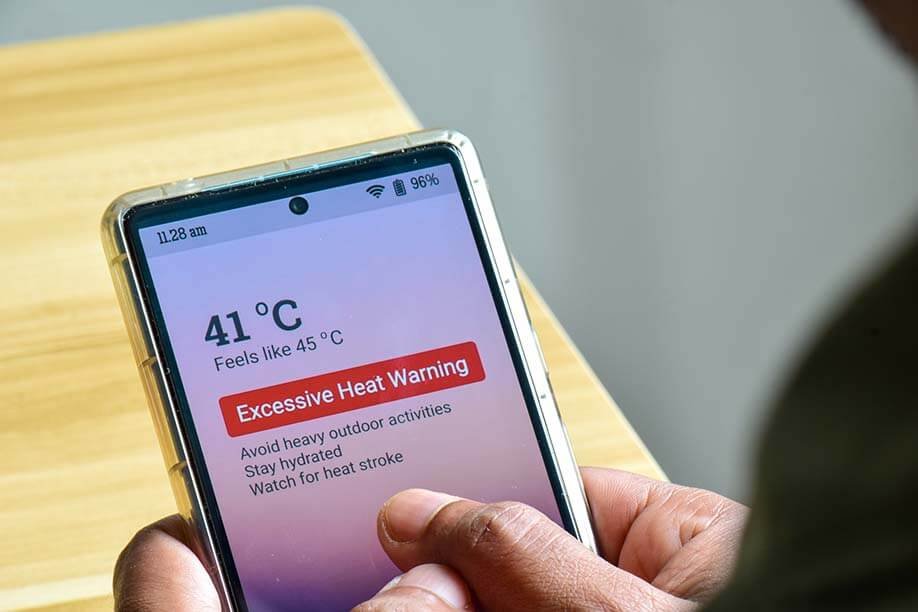
If the phone becomes very hot, drains battery rapidly, or displays temperature warnings while idle, it indicates an underlying issue that needs attention.
Long-Term Effects of Excessive Phones Heat
Continuous overheating can damage internal components, degrade battery health, reduce performance, and shorten the device’s lifespan.
How Phone Manufacturers Manage Heat
Thermal Throttling
Phones Heat automatically reduce processor speed when temperatures rise too high. This protects internal components but may affect performance.
Heat Spreading Materials
Manufacturers use materials like graphite sheets and vapor chambers to distribute Phones Heat evenly and prevent hotspots.
Software-Based Controls
Modern operating systems monitor temperature and adjust background activity to manage Phones Heat more effectively.
Practical Ways to Reduce Idle Phone Heating
Manage Background Apps
Regularly review and restrict background activity for apps that do not need constant access. Disable unnecessary permissions and background refresh.
Improve Connectivity Settings
Turn off mobile data, Bluetooth, or location services when not needed. Use airplane mode in areas with very poor signal.
Optimize Charging Habits
Avoid charging the phone in hot environments. Use certified chargers and avoid fast charging when not necessary.
Keep Software Updated
Install system updates that often include performance and thermal optimizations. Remove unused or suspicious apps.
Use Proper Accessories
Choose well-ventilated cases and avoid covering the phone during charging. Place the device on a flat, cool surface when idle.
When to Seek Professional Help
Persistent Overheating
If Phones Heat continues despite optimization efforts, it may indicate battery or hardware issues requiring professional inspection.
Sudden Changes in Behavior
A sudden increase in idle Phones Heat may point to software bugs or battery damage that should be addressed promptly.
Safety Considerations
Extreme Phones Heat can pose safety risks. If the phone becomes dangerously hot, power it off and avoid using it until checked.
Future Improvements in Thermal Management
More Efficient Processors
Newer chip designs focus on energy efficiency, reducing Phones Heat generation during idle and background tasks.
Advanced Cooling Solutions
Manufacturers are developing better passive cooling technologies to manage Phones Heat more effectively.
Smarter Software Control
AI-driven power and thermal management systems aim to predict and prevent unnecessary Phones Heat buildup.
Conclusion
Phones Heat up even without active use is a common issue driven by background processes, network activity, battery behavior, environmental factors, and aging hardware. While some level of warmth is normal, persistent or excessive heating should not be ignored.
By understanding how Phones Heat operate even when idle, users can take informed steps to reduce unnecessary heat, protect battery health, and extend device lifespan. Proper settings management, mindful charging habits, and timely software updates play a crucial role in maintaining optimal temperature levels.
In most cases, idle Phones Heat is manageable and preventable. Awareness and proactive care ensure that your smartphone remains safe, efficient, and reliable over the long term.