


Overview Table
| Aspect | Details |
|---|---|
| What a UPS Does | Provides backup power and protects against voltage issues |
| Why Desktop Needs UPS | Prevents data loss and hardware damage |
| Types of UPS | Offline, Line-Interactive, Online |
| Power Capacity | Measured in VA and Watts |
| Backup Time | Duration the UPS can run your desktop |
| Battery Type | Determines lifespan and reliability |
| Load Calculation | Total power used by connected devices |
| Voltage Protection | Handles surges, spikes, and fluctuations |
| Ports and Connectivity | USB, software support, outlets |
| Maintenance | Battery replacement and care |
| Ideal User Type | Home, office, gaming, professional use |
Introduction
A UPS for Desktop computer is a valuable investment, whether it is used for office work, studies, gaming, or professional tasks like design and development. One of the biggest risks to a UPS for Desktop computer is sudden power failure or unstable electricity supply. Power cuts, voltage fluctuations, and electrical surges can cause data loss, hardware damage, and reduced system lifespan. This is where a UPS becomes essential.
A UPS, or Uninterruptible Power Supply, provides temporary backup power when electricity fails and protects connected devices from electrical problems. Choosing the right UPS for desktop computer is not just about buying the biggest or most expensive model. It requires understanding your power needs, usage habits, and the type of protection required.
This step-by-step guide explains everything you need to know to choose the right UPS for Desktop computer. It covers types of UPS systems, power calculations, battery considerations, features, and long-term maintenance so you can make an informed and practical decision.
Understanding What a UPS Is
What a UPS Does
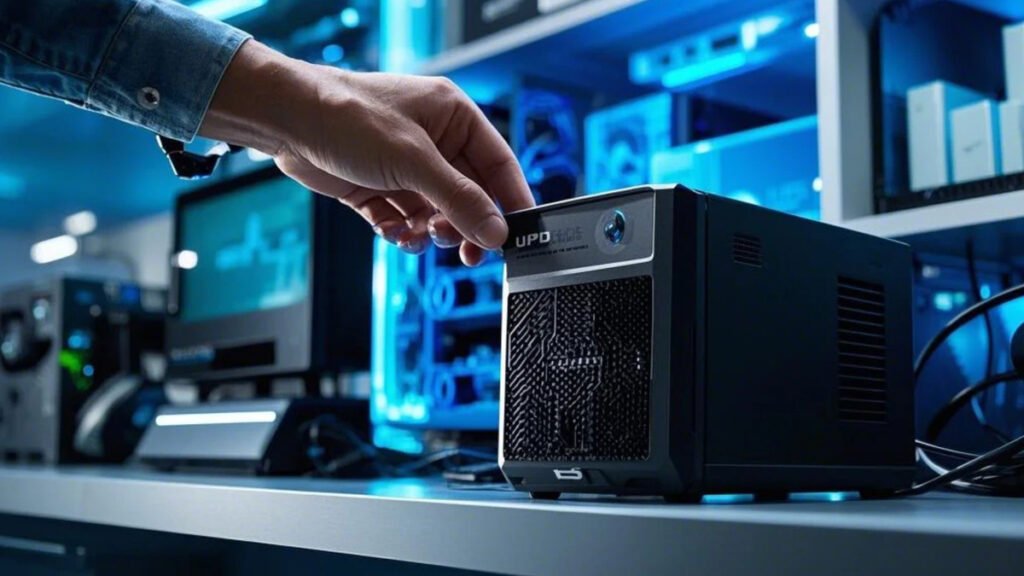
A UPS is a device that sits between your UPS for Desktop computer and the main power supply. Its main job is to provide instant backup power when electricity goes out. Unlike generators or inverters, a UPS switches to battery power almost instantly, ensuring that your computer does not shut down suddenly.
In addition to backup power, a UPS also regulates voltage. It protects your computer from spikes, surges, and drops in voltage that can damage internal components over time.
Why a Desktop Computer Needs a UPS
UPS for Desktop computers are sensitive to power interruptions. A sudden shutdown can corrupt files, damage the operating system, and reduce the lifespan of hard drives and power supplies. For users working on important documents or projects, even a few seconds of power loss can cause serious problems.
A UPS gives you enough time to save your work and shut down the system safely. It also ensures stable power delivery during minor voltage fluctuations, which are common in many areas.
Step One: Identify Your Purpose and Usage
Home and Basic Office Use
For basic tasks like browsing, document editing, and online work, the UPS requirement is moderate. Backup time of a few minutes is usually enough to save work and shut down safely.
Professional and Workstation Use
Professionals using UPS for Desktop for design, development, data processing, or accounting may need longer backup time. Sudden shutdowns during heavy tasks can cause data corruption or application errors.
Gaming and High-Performance Systems
Gaming UPS for Desktop and high-performance systems consume more power due to powerful processors and graphics cards. These systems require a higher-capacity UPS to handle peak loads safely.
Understanding how you use your desktop helps define the capacity and features you need in a UPS.
Step Two: Calculate Power Requirements
Understanding VA and Watts
UPS capacity is usually measured in VA and Watts. VA represents apparent power, while Watts represent real usable power. UPS for Desktop computers draw power in Watts, but UPS ratings are often given in VA.
A general rule is that Watts are lower than VA due to power factor. Many UPS units mention both values, which helps in accurate selection.
Estimating Desktop Power Consumption
To calculate power needs, list all devices you plan to connect to the UPS. This usually includes the UPS for Desktop CPU, monitor, and sometimes a router or external storage.
UPS for Desktop computers can consume anywhere from low power systems to very high power systems depending on hardware. Monitors also add to the total load.
Add the power consumption of all devices to get the total load. It is always recommended to choose a UPS with some extra capacity to handle power spikes and future upgrades.
Importance of Load Headroom
Running a UPS at full capacity reduces efficiency and battery life. Choosing a UPS that operates at around moderate load ensures better performance and longer lifespan.
Step Three: Choose the Right Type of UPS
Offline UPS
Offline UPS systems are basic and affordable. They provide backup power during outages but offer limited voltage regulation. They are suitable for areas with relatively stable electricity supply.
Line-Interactive UPS
Line-interactive UPS systems offer better voltage regulation and smoother switching to battery power. They are ideal for most home and office UPS for Desktop where voltage fluctuations are common.
Online UPS
Online UPS systems provide the highest level of protection. They supply continuous clean power by converting electricity at all times. These are mainly used for critical systems and professional setups where zero interruption is required.
For most UPS for Desktop users, a line-interactive UPS is a balanced and practical choice.
Step Four: Decide Required Backup Time
Why Backup Time Matters
Backup time determines how long your UPS for Desktop can run during a power cut. Some users only need enough time to save work and shut down, while others may want to continue working for longer.
Factors Affecting Backup Time
Backup time depends on UPS battery capacity and the load connected to it. Higher load reduces backup time, while lower load increases it.
Matching Backup Time to Your Needs
For normal UPS for Desktop use, backup time of a few minutes is sufficient. For work-from-home users or areas with frequent short power cuts, longer backup time may be beneficial.
Step Five: Understand Battery Type and Quality
Common Battery Types
Most UPS systems use sealed lead-acid batteries. These batteries are reliable and cost-effective but have a limited lifespan.
Some advanced UPS models may use better-quality batteries with longer life and faster charging.
Battery Lifespan
UPS batteries typically last a few years depending on usage, temperature, and charging cycles. High heat and frequent deep discharges reduce battery life.
Ease of Battery Replacement
Choosing a UPS with easily replaceable batteries can save money in the long run. It allows you to extend the life of the UPS without replacing the entire unit.

Step Six: Look at Voltage Regulation and Protection
Voltage Fluctuations
In many regions, power supply is not stable. Frequent voltage drops and spikes can damage UPS for Desktop components slowly over time.
Automatic Voltage Regulation
A good UPS includes automatic voltage regulation. This feature corrects minor voltage issues without switching to battery power, improving efficiency and battery life.
Surge and Spike Protection
Surge protection is essential to protect against sudden high-voltage events caused by lightning or electrical faults. A UPS with built-in protection adds an extra layer of safety.
Step Seven: Check Ports and Connectivity Options
Power Outlets
Ensure the UPS has enough battery-backed outlets for your UPS for Desktop and monitor. Some outlets may provide surge protection only, so check carefully.
USB and Software Support
Many UPS systems include a USB port to connect to the computer. This allows software to monitor battery status and automatically shut down the system during extended power outages.
Display and Indicators
LED indicators or LCD displays provide useful information such as load level, battery status, and input voltage. This helps users understand UPS performance easily.
Step Eight: Consider Build Quality and Noise
Physical Build
A well-built UPS is more reliable and durable. Solid casing and proper ventilation help manage heat and extend component life.
Noise Levels
Some UPS for Desktop systems produce noise due to fans or transformers. For home and office use, quieter models are preferred, especially if the desktop is in a bedroom or workspace.
Step Nine: Space and Installation Requirements
Size and Placement
UPS units vary in size and weight. Choose a model that fits comfortably near your UPS for Desktop setup without blocking airflow.
Proper Ventilation
UPS systems generate heat during operation and charging. Ensure proper ventilation to avoid overheating and reduced battery life.
Step Ten: Maintenance and Long-Term Care
Regular Testing
Periodically testing the UPS ensures that the battery and internal components are functioning properly. This helps detect issues before an actual power outage occurs.
Battery Care
Avoid deep discharging the battery frequently. Keeping the UPS connected to power and in a cool environment improves battery lifespan.
Replacement and Service
Check availability of replacement batteries and service support. A UPS is a long-term investment, and good support adds value.
Common Mistakes to Avoid
Choosing Too Low Capacity
Buying a UPS with insufficient capacity leads to overload issues and very short backup time. This defeats the purpose of having a UPS.
Ignoring Future Upgrades
If you plan to upgrade your UPS for Desktop or add more devices, choose a UPS that can handle additional load.
Overlooking Voltage Issues
In areas with unstable power, choosing a basic UPS without voltage regulation can cause frequent battery usage and faster wear.
How to Balance Cost and Performance
Budget Considerations
While cost is important, choosing the cheapest UPS may lead to poor protection and frequent replacements. A balanced approach ensures value for money.
Long-Term Value
A reliable UPS protects expensive hardware and data. Spending slightly more on quality often saves money in the long run.
Conclusion
Choosing the right UPS for Desktop computer is a step-by-step process that involves understanding your power needs, usage habits, and the quality of power supply in your area. A UPS is not just a backup battery; it is a protective system that ensures stable power, data safety, and hardware longevity.
By calculating power requirements, selecting the right UPS type, considering backup time, and paying attention to features like voltage regulation and battery quality, you can make an informed decision. Proper maintenance and thoughtful selection ensure that your UPS for Desktop remains protected against power problems for years to come.
A well-chosen UPS brings peace of mind, allowing you to work, study, or play without worrying about sudden power interruptions or electrical damage.