

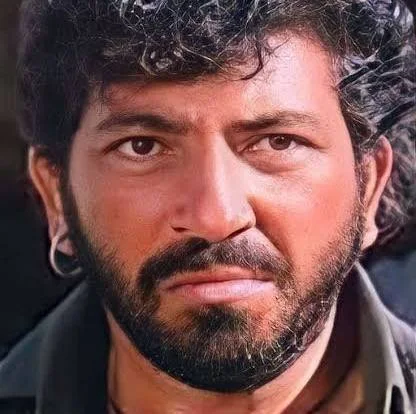
Overview Table
| Category | Details |
|---|---|
| Full Name | Amjad Zakaria Khan |
| Known For | Iconic portrayal of powerful antagonist roles, especially Gabbar Singh |
| Date of Birth | 12 November 1940 |
| Place of Birth | Hyderabad, India |
| Profession | Actor, Theatre Artist, Director |
| Industry | Indian Cinema (primarily Bollywood) |
| Breakthrough Role | Gabbar Singh in Sholay (1975) |
| Signature Traits | Deep voice, intimidating aura, expressive eyes, strong dialogue delivery |
| Awards & Recognition | Highly acclaimed by critics, audiences, and peers; became a cultural icon |
| Years Active | 1950s (child actor theatre) to early 1990s |
| Other Talents | Stage acting, writing, direction, social leadership in film associations |
| Legacy | One of the greatest villains and character actors in Indian film history |
| Death | 27 July 1992, Mumbai, India |
| Cultural Impact | Defined the gold standard of film antagonists in India |
| Contribution to Cinema | Introduced realism, psychological depth, and layered negative roles |
4000-Word Article
Amjad Khan remains one of the most unforgettable and irreplaceable names in Indian cinema. His presence on screen was not just commanding; it was electrifying. His deep voice, towering personality, and unshakable confidence made him a pillar of Hindi cinema, especially in the portrayal of antagonists. But beneath the surface of a terrifying villain lived a soft-spoken, educated, compassionate human being who was deeply connected to theatre, literature, and social responsibility.
To reduce Amjad Khan to only one character would be unfair, yet it is undeniable that Gabbar Singh from Sholay became an eternal symbol of villainy, dialogue power, and cinematic excellence. Even today, decades after his passing, his dialogues continue to echo across generations. However, his journey did not begin with Sholay, nor did it end with it. His life story reflects struggle, discipline, artistry, and a rare dedication to acting that very few possessed.
Early Life and Family Influence
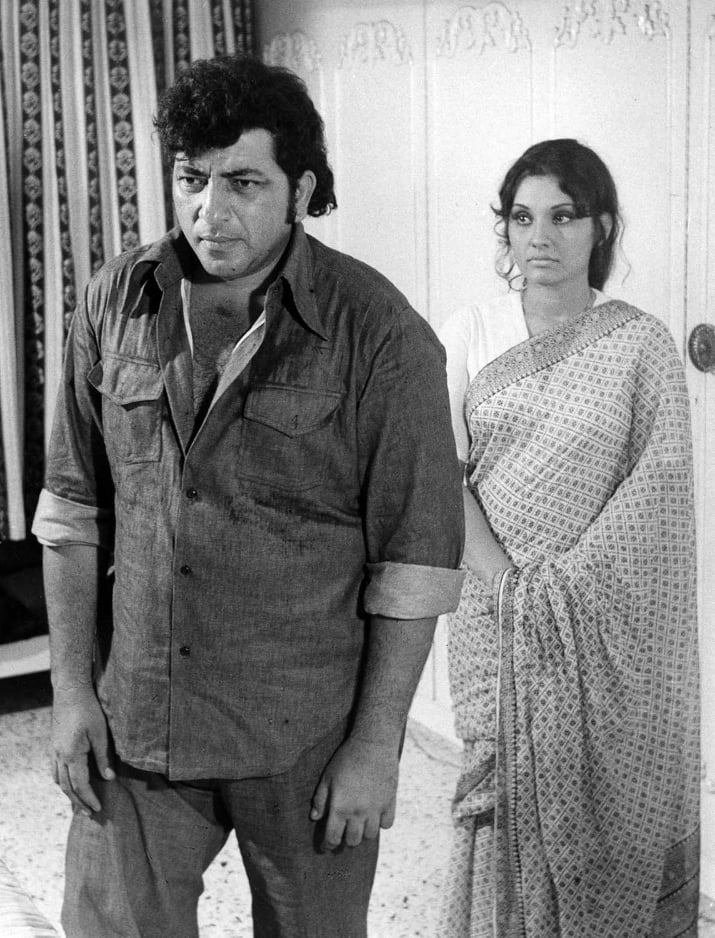
Born on 12 November 1940 in Hyderabad, Amjad Khan belonged to a respected family with deep cultural and cinematic roots. His father, Jayant (Zakaria Khan), was also a well-known actor who appeared in several Hindi movies and was admired for his strong appearance and voice. Growing up in an artistic home, Amjad absorbed acting naturally. Theatre, storytelling, and dialogues were part of his childhood routine, shaping him in ways that would later define his career.
Despite having a film lineage, life was not effortless. Amjad Khan believed in building his own identity rather than depending on his father’s name. From an early age, he trained in theatre and classical acting. He observed characters, practiced voice modulation, and learned the art of expressing emotions through silence as much as through words. By the time he reached adulthood, he had developed a profound understanding of performance and human psychology.
Education also played a crucial role. He was widely read, articulate, and fond of literature. His knowledge of Urdu, Hindi, and English helped him deliver dialogues with depth and clarity. This mixture of intellect and performance made his personality magnetic.
Theatre and Artistic Growth
Before stepping into mainstream cinema, Amjad Khan polished his talent through theatre. Stage acting taught him discipline, stamina, and precision. Every gesture, pause, and vocal tone mattered. He learned to capture attention without raising his voice unnecessarily and how to communicate emotions even from a distance. This stage experience later became one of the strongest foundations of his film career.
People who acted with him during his theatre days remember him as a dedicated and thoughtful performer who approached every role with seriousness. He would analyze scripts, discuss character psychology, and try different body language styles until he discovered something unique and convincing. His preparation was not superficial; it was transformative.
The Breakthrough: Becoming Gabbar Singh
The year 1975 radically changed the course of Indian cinema and Amjad Khan’s life. Ramesh Sippy cast him as the antagonist in Sholay, and what followed was nothing short of cinematic history. Not only did Amjad Khan justify the role, he redefined villainy forever.
Before Sholay, Hindi cinema was familiar with villains who were either theatrical, polished, or glamorous. Amjad Khan broke that template. His portrayal of Gabbar Singh was raw, unpredictable, terrifying, and fiercely realistic. He did not rely on overacting or exaggerated gestures. Instead, he created a chilling stillness. His silences were more frightening than most characters’ screams.
To prepare, he studied the psychology of criminals and their behavioral traits. He crafted a unique voice pattern, a specific laugh, and a walking style that radiated ruthlessness. Every line he spoke penetrated deeply into the audience’s memory. His famous dialogue delivery became a cultural phenomenon across languages, age groups, and decades.
People feared Gabbar, admired the performance, and celebrated Amjad Khan. Overnight, the actor became a living legend.
Life After Sholay: Beyond the Villain Image
Success often traps actors inside a stereotype, but Amjad Khan refused to be limited. Though filmmakers strongly preferred him in villainous roles, he experimented with different shades of characters. His filmography includes negative roles, comic roles, grey roles, and deeply emotional characters.
He played antagonists with authority but also brought humor, intelligence, and unpredictability into them. Films such as Muqaddar Ka Sikandar, Kaalia, Yaarana, Chambal Ki Kasam, and many others demonstrated his versatility. Even when the script was ordinary, Amjad Khan’s presence elevated the narrative.
He could express anger with calmness, cruelty with elegance, and sarcasm with purity. Directors said that once the camera rolled, he transformed into someone else entirely. His screen presence overshadowed even the biggest stars, yet he did it without arrogance.
A Gentle Human Behind the Terrifying Image
What amused and shocked many people was the contrast between his on-screen image and real personality. Those who worked with him repeatedly described him as a soft-spoken, humorous, considerate man. He helped junior actors, supported technicians, and often ensured fair treatment of artists.
He also served actively in actors’ associations and supported initiatives for welfare, rights, and healthcare of people working in the film industry.
He had a warm relationship with friends and co-actors. For him, acting was a profession, not a battlefield of ego. He shared screen space with Amitabh Bachchan, Dharmendra, Vinod Khanna, and many others without insecurity. Even after gaining massive stardom, he remained grounded.
Struggles and Setbacks
Amjad Khan’s life was not free of hardship. A major car accident in the early 1980s put his life and career in danger. He survived, but the severe injuries affected his health and performance capacity. Many expected him to withdraw from the industry, but he continued to work with courage and determination.
The medication he had to take affected his weight and stamina, yet he kept acting passionately. He wanted to remain relevant not for fame but for the love of cinema. His commitment became an example of resilience.
Direction, Writing, and Artistic Curiosity
Amjad Khan was not only an actor but a thinker. His curiosity about cinema extended beyond performance. He explored writing and direction, wanting to understand filmmaking from every angle. Though these projects were not as prominent as his acting achievements, they reflected his intellectual depth and love for cinema.
He believed acting should evolve and that characters should reflect society realistically. His thoughts influenced many younger actors who saw him as a mentor.
Personal Life
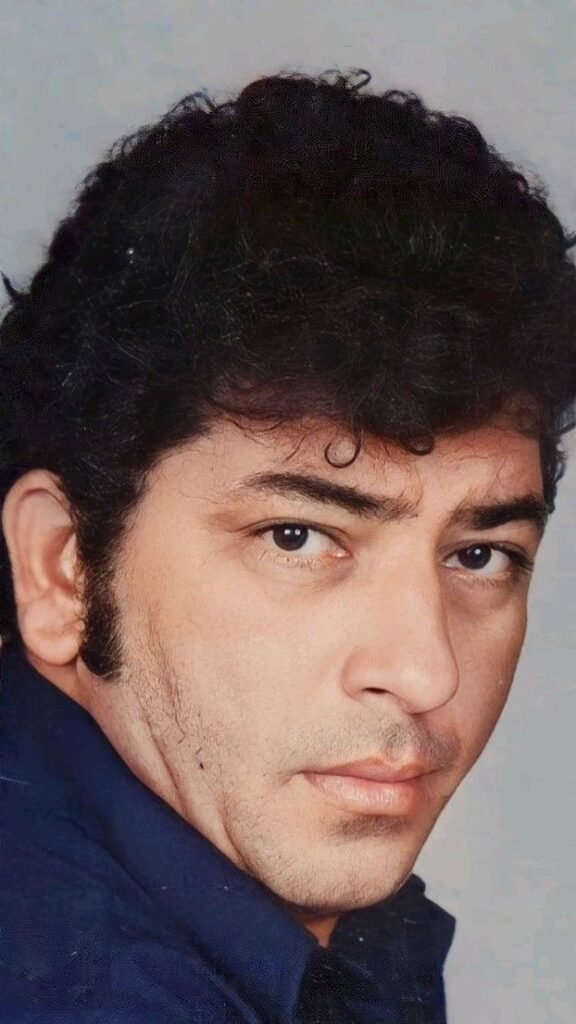
Amjad Khan married Shaila Khan, and their relationship was filled with respect and companionship. They raised their children with values of humility and dignity. His children later entered the film and entertainment industry, carrying forward the legacy in their own way. Despite the busy schedule of an actor, Amjad Khan valued family deeply and invested time in nurturing relationships.
The Final Years and Untimely Passing
Amjad Khan passed away on 27 July 1992 in Mumbai due to heart complications. His death left a void in the film industry that has never been filled. The news was devastating, not only for the audience and co-actors but also for the entire cinematic community.
Even decades later, the characters he created continue to live in the memories of people. Dialogues, scenes, and expressions from his performances remain unforgettable. His absence emphasized how rare actors of his caliber truly are.
Legacy That Can Never Be Repeated
It is widely accepted that there can never be another Amjad Khan. Many actors have portrayed villains, and many have excelled, but the cultural footprint left by him stands on its own. He was not just feared; he was respected. He did not entertain through gimmicks but through authenticity.
He made the antagonist as important as the protagonist. He added psychology to evil, realism to violence, and dignity to negative roles. Because of him, audiences began appreciating the strength of the villain in storytelling.
Even today, film schools, acting workshops, and cinema historians refer to Amjad Khan’s work as a benchmark. His performances are studied to understand character development, vocal expression, body language, and dramatic balance.
Why Amjad Khan Matters Even Today
- He elevated the image of villains from caricatures to complex personalities.
- He proved powerful characters do not need excessive drama but controlled depth.
- He taught upcoming actors that intensity comes from preparation, not noise.
- He showed that success and humility can coexist.
- He embodied discipline, respect for craft, and genuine love for cinema.
His influence extends beyond Bollywood. His dialogues have entered everyday language, his character has inspired countless memes, spoofs, tribute scenes, and iconic references, and his voice is still imitated in events, theatres, and shows. Nothing has aged; everything has become more legendary.
Conclusion
Amjad Khan was not just an actor who played villains. He was an exceptional artist who understood human behavior deeply. He studied his characters, shaped them psychologically, and breathed life into them. His voice, expressions, pauses, and body language created an unforgettable cinematic texture.
Behind the fierce persona lived a gentle, intelligent, compassionate man. His talent was not loud; it was powerful. His success was not accidental; it was earned. His legacy is not temporary; it is eternal.
Indian cinema has produced many great stars, but only a few become immortal. Amjad Khan belongs to that rare category. He redefined villainy, redefined acting, and redefined influence. His performances continue to inspire, his journey continues to motivate, and his name remains synonymous with excellence.
There was only one Gabbar Singh.
There was only one Amjad Khan.
And there will never be another.