

| Use Case | Recommended Printer Type | Key Features | Example Model (Hypothetical) |
|---|---|---|---|
| Home Office | All-in-One Inkjet | Print, scan, copy, wireless, compact | Great Printer HomePro 2025 |
| High Volume Office | Laser Printer | Fast PPM, high paper tray, low cost per page | OfficeMaster Laser 3000 |
| Text Documents | Monochrome Laser | High-speed, economical toner, reliable | TextPro Laser 500 |
| Photo Printing | Photo Inkjet | High DPI, vivid color, supports multiple sizes | PhotoMagic Color 1200 |
| Mobile / On-the-Go | Portable Inkjet | Lightweight, battery-powered, wireless printing | TravelPrint Mini |
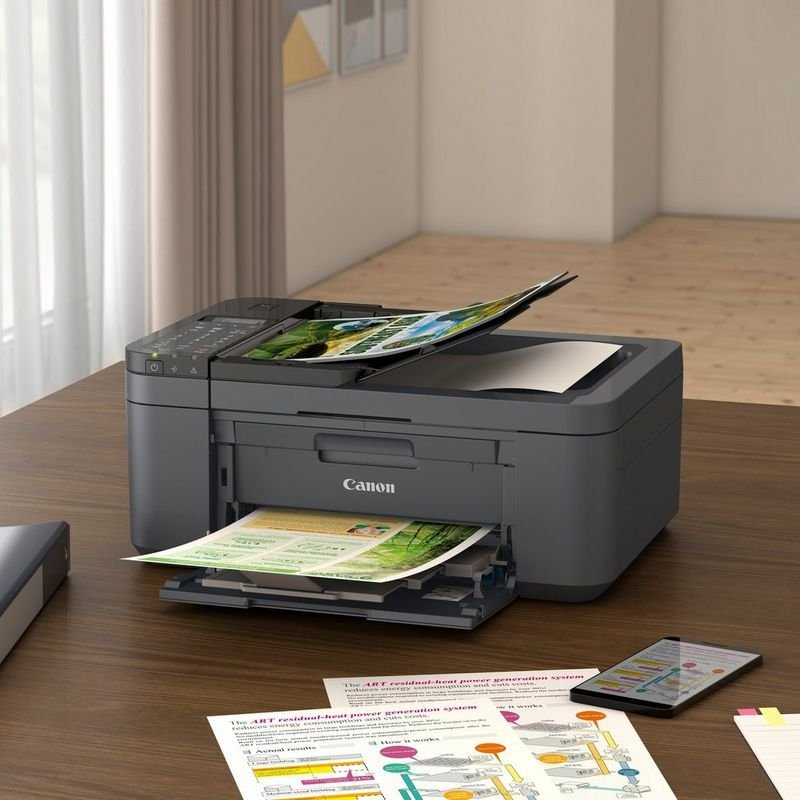
| Scan & Copy Needed | Multifunction Printer | All-in-one features, ADF, duplex printing | ScanCopy 4-in-1 |
| Home Printing | Basic Inkjet | Affordable, small footprint, easy setup | HomeJet EasyPrint |
In today’s world, Best Printer are essential devices for home, office, and professional use. Whether you need to print documents, photos, or high-volume materials, choosing the right printer can save you time, money, and frustration. With so many types and models available, understanding key features and use cases is crucial. This guide will help you make an informed decision and highlight the best printer options for different needs.
What is a Best Printer ?
A Best Printer is an electronic device that converts digital information from a computer, smartphone, or other digital device into a physical copy on paper. It allows users to produce documents, images, photographs, and even labels or posters in a tangible format. Printers are widely used in homes, offices, schools, and professional settings for both personal and business purposes.
There are several types of Best Printer , each designed for specific tasks. Inkjet printers spray tiny droplets of liquid ink directly onto paper, offering high-quality prints and vivid colors, making them ideal for photos and occasional document printing. Laser printers use toner and a laser beam to produce sharp, fast, and cost-effective prints, which is perfect for text-heavy documents and high-volume office printing. Multifunction printers (MFPs) combine printing, scanning, copying, and sometimes faxing in one device, providing versatility and saving space.
A printer is an electronic device that converts digital documents and images into physical copies on paper. Best Printer come in various technologies, such as inkjet, laser, and multifunction printers, each designed for specific purposes. Some printers also offer scanning, copying, and faxing capabilities, making them versatile office tools.
Key Features to Consider Before Buying a Printer
When buying a Best Printer , it’s essential to evaluate features that match your needs. Here are some key factors:
1. Printing Technology
Best Printer primarily use inkjet or laser technology. Inkjet printers provide high-quality color printing and are ideal for photos and occasional home use. Laser Best Printer are faster, cost-efficient for text-heavy documents, and suitable for offices or high-volume printing. Some printers use LED technology, which is similar to laser but often more energy-efficient.
- Inkjet Printers: Ideal for home users or photo printing, offering high-quality color output.
- Laser Printers: Best for text-heavy documents and high-volume printing. Fast and cost-effective.
- LED Printers: Similar to laser but use LED lights; known for reliability and efficiency.
2. Print Quality
Print quality is measured in DPI (dots per inch). Higher DPI ensures sharper, more detailed prints. For standard documents, 600 DPI is usually sufficient, while photo printing may require 1200 DPI or higher for vivid, professional results.
- Measured in DPI (dots per inch). Higher DPI means sharper and clearer prints, especially for images.
- For text documents, 600 DPI is usually sufficient. For photo printing, 1200 DPI or more is recommended.
3. Print Speed
Speed is measured in pages per minute (PPM). Laser Best Printer generally offer faster printing compared to inkjets, making them more suitable for offices or users with high-volume requirements.
- Measured in PPM (pages per minute). Important for offices or high-volume users.
- Laser printers are faster than inkjets for large document printing.
4. Connectivity Options
Modern Best Printer offer multiple ways to connect, including USB, Wi-Fi, Ethernet, and mobile printing via apps or cloud services. Wireless printing is convenient for home offices or shared environments, while wired connections are more stable for networked office setups.
- USB: Basic wired connection for personal use.
- Wi-Fi/Wireless: Convenient for multiple devices and remote printing.
- Ethernet: Ideal for office networks.
- Mobile Printing: Features like AirPrint, Google Cloud Print, or Best Printer apps make printing from smartphones easier.
5. Functionality
Decide whether you need a single-function printer (print only) or a multifunction printer (MFP) that can scan, copy, and sometimes fax. MFPs save space and are ideal for offices or home users with diverse tasks.
- Single-function Printers: Print only. Best for home users with basic needs.
- Multifunction Printers (MFPs): Print, scan, copy, and sometimes fax. Suitable for offices.
6. Paper Handling
Check the supported paper sizes, tray capacity, and duplex printing options. Automatic document feeders (ADF) help scan or copy multiple pages efficiently, saving time.
- Check supported paper sizes (A4, A3, letter, etc.).
- Consider paper tray capacity for high-volume printing.
- Automatic document feeders (ADF) help scan or copy multiple pages efficiently.
7. Cost of Ownership
Consider the price of ink or toner cartridges, page yield, and long-term maintenance costs. Laser Best Printer often have higher upfront costs but lower cost per page over time.
By evaluating these features carefully, you can choose a Best Printer that matches your needs, ensures efficiency, and provides long-term value.
- Evaluate ink or toner cartridge cost.
- Consider yield (number of pages per cartridge).
- Laser Best Printer generally have higher initial cost but lower running cost compared to inkjets.
8. Durability and Brand Reliability
- Well-known brands often offer better service, longer warranties, and durable Best Printer .
- Check customer reviews for common issues like paper jams or poor connectivity.
Types of Printers
Choosing the right type depends on your printing needs, budget, and usage frequency. Here’s a breakdown:
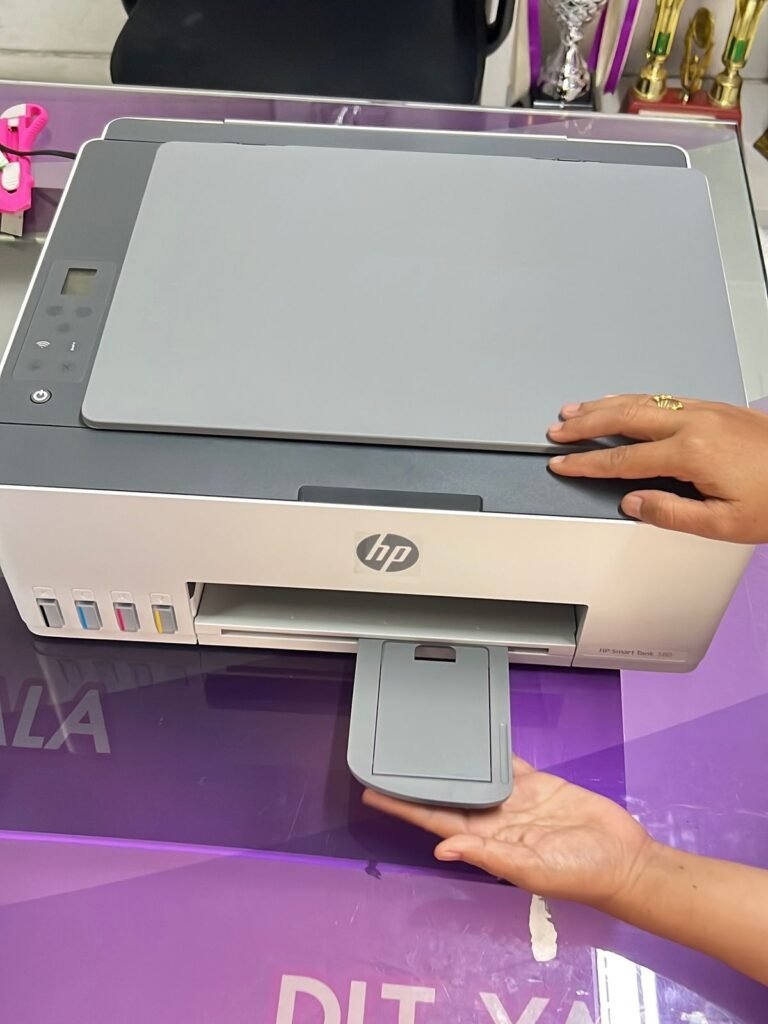
1. Inkjet Printers
- Pros: High-quality photo printing, compact, affordable.
- Cons: Slower, higher cost per page, frequent ink replacement.
- Best For: Home use, photo printing, occasional document printing.
2. Laser Printers
- Pros: Fast, efficient for text-heavy documents, lower cost per page.
- Cons: Expensive initial cost, limited color quality for photos.
- Best For: Offices, high-volume document printing.
3. All-in-One Printers (MFPs)
- Pros: Print, scan, copy, sometimes fax. Saves space.
- Cons: Slightly expensive, complex setup.
- Best For: Home offices and small businesses.
4. Photo Printers
- Pros: Professional-quality photo prints, vibrant colors.
- Cons: Expensive ink, slower speed.
- Best For: Photography enthusiasts or creative professionals.
5. Portable Printers
- Pros: Compact, wireless, battery-powered.
- Cons: Limited printing capacity, slower printing speed.
- Best For: Travel, on-the-go printing, students.
Recommended Best Printers for Different Use Cases
| Use Case | Recommended Printer Type | Key Features | Example Model (Hypothetical) |
|---|---|---|---|
| Home Office | All-in-One Inkjet | Print, scan, copy, wireless, compact | Great Best Printer HomePro 2025 |
| High Volume Office | Laser Best Printer | Fast PPM, high paper tray, low cost per page | OfficeMaster Laser 3000 |
| Text Documents | Monochrome Laser | High-speed, economical toner, reliable | TextPro Laser 500 |
| Photo Printing | Photo Inkjet | High DPI, vivid color, supports multiple sizes | PhotoMagic Color 1200 |
| Mobile / On-the-Go | Portable Inkjet | Lightweight, battery-powered, wireless printing | TravelPrint Mini |
| Scan & Copy Needed | Multifunction Best Printer | All-in-one features, ADF, duplex printing | ScanCopy 4-in-1 |
| Home Printing | Basic Inkjet | Affordable, small footprint, easy setup | HomeJet EasyPrint |
How to Choose the Right Printer
Step 1: Identify Your Printing Needs
- How many pages do you print per week?
- Do you need color printing or only black and white?
- Is photo printing important?
Step 2: Decide on Technology
- For text-heavy and high-volume printing → Laser.
- For photos and occasional printing → Inkjet.
Step 3: Check Connectivity
- Wireless printing is convenient for multiple devices.
- Ethernet connection is essential for office networks.
Step 4: Consider Operating Cost
- Ink cartridges vs toner cartridges.
- Page yield and cost per page.
Step 5: Look at Features
- Duplex printing saves paper.
- Automatic document feeder improves efficiency.
- Scanning and copying add versatility.
Step 6: Read Reviews and Warranty
- Choose reliable brands with good customer support.
- Check warranty duration for peace of mind.
Common Mistakes to Avoid When Buying a Printer
When buying a printer, many people focus only on the initial price, ignoring long-term costs like ink or toner. Choosing a printer that doesn’t match your print volume or primary use—such as a photo Best Printer for mostly text documents—can lead to inefficiency. Overlooking connectivity options, small paper trays, or the lack of duplex printing can also cause frustration. To avoid issues, select a printer that fits your printing needs, supports your devices, and balances both upfront and running costs.
- Focusing Only on Initial Cost: A cheap Best Printer might have expensive cartridges.
- Ignoring Print Volume: Low-capacity printers may not handle high workloads.
- Overlooking Connectivity Options: Make sure it supports your devices.
- Neglecting Paper Handling: Small trays may require frequent refilling.
- Choosing Wrong Technology: Don’t buy a photo printer if you mostly print documents.
Tips for Maintaining Your Printer
- Keep the printer clean to avoid paper jams.
- Use high-quality paper to improve print quality.
- Replace cartridges promptly to prevent damage.
- Update printer firmware and drivers regularly.
- Use your printer frequently to prevent ink from drying.
Conclusion
Choosing the best printer requires balancing your printing needs, budget, and the features that matter most. For home use, an inkjet all-in-one printer is usually sufficient. For offices with high-volume document needs, a monochrome or color laser printer is more cost-effective. Always consider connectivity, paper handling, print speed, and cost per page before making a decision.
A smart investment in a reliable printer not only saves time and money but also enhances productivity and efficiency, whether for personal, professional, or creative purposes.