


Overview Table
| Category | Details |
|---|---|
| Full Name | Chan Kong-sang (成龍) |
| Stage Name | Jackie Chan |
| Date of Birth | April 7, 1954 |
| Place of Birth | Victoria Peak, British Hong Kong |
| Nationality | Chinese (Hong Kong SAR) |
| Occupation | Actor, Martial Artist, Stunt Performer, Director, Producer, Singer, Philanthropist |
| Years Active | 1962 – Present |
| Known For | Drunken Master, Police Story, Rush Hour Series, Shanghai Noon, The Karate Kid, Rumble in the Bronx |
| Martial Arts Style | Kung Fu, Hapkido, Acrobatic Stunt Performance |
| Education | China Drama Academy (Peking Opera School) |
| Height | 5 ft 9 in (175 cm) |
| Languages | Cantonese, Mandarin, English |
| Awards | Academy Honorary Award (2016), BAFTA Award, MTV Lifetime Achievement Award, Hong Kong Film Awards |
| Philanthropy | Jackie Chan Charitable Foundation, Dragon’s Heart Foundation |
| Notable Collaborations | Chris Tucker, Owen Wilson, Jet Li, Sammo Hung, Yuen Biao |
| Residence | Hong Kong and Beijing, China |
Introduction
Jackie Chan is one of the most celebrated and influential figures in global cinema. Renowned for his extraordinary blend of martial arts, physical comedy, and daredevil stunts, Chan has transcended cultural and linguistic boundaries to become a true international icon. With a career spanning more than six decades, he has redefined the art of action filmmaking and set unparalleled standards for physical performance, creativity, and perseverance.
As an actor, director, stunt performer, and philanthropist, Chan represents the embodiment of dedication and reinvention. From his humble beginnings in Hong Kong to his rise as a global superstar, his journey reflects discipline, resilience, and relentless passion for storytelling through motion and humor. His work not only revolutionized martial arts cinema but also inspired countless filmmakers, actors, and audiences worldwide.
Early Life and Background
Jackie Chan was born Chan Kong-sang on April 7, 1954, at the Victoria Peak Hospital in British Hong Kong. His parents, Charles and Lee-Lee Chan, worked for the French ambassador — his father as a cook and his mother as a housekeeper. The family’s modest circumstances shaped Chan’s early years, teaching him humility and endurance. His childhood nickname, “Pao Pao” (meaning “Cannonball”), reflected his boundless energy and lively spirit.
At the age of seven, Chan was enrolled in the China Drama Academy, a rigorous Peking Opera School led by Master Yu Jim-yuen. The academy’s intense curriculum emphasized martial arts, acrobatics, singing, and acting, all taught with strict discipline. Students often trained from dawn until late evening, mastering every aspect of performance.
This period proved foundational for Chan’s artistic development. Under Master Yu’s mentorship, he learned the principles of endurance, teamwork, and creativity. The school also emphasized respect and humility, values that would later define Chan’s public persona. Among his classmates were future Hong Kong cinema legends Sammo Hung and Yuen Biao, who, along with Chan, would later be known as the “Three Brothers.”

Education and Early Training
Jackie Chan’s training at the China Drama Academy spanned nearly a decade. His education focused on Peking Opera’s combination of acting, dance, and martial arts, blending artistic grace with physical mastery. Though academic education was limited, his rigorous training instilled unmatched discipline and resilience.
Chan quickly became one of the most talented and acrobatic performers in the school. By the age of ten, he was appearing in minor roles in Cantonese films. His physical abilities, flexibility, and timing made him stand out among his peers. This intense background in stage performance prepared him for the high-risk stunts and physical expressiveness that would later define his cinematic style.
When the Peking Opera tradition began declining in the 1970s, Chan and many of his peers transitioned to Hong Kong’s flourishing film industry. At first, Chan took on roles as an extra and stunt double in various martial arts films, gradually building his reputation for fearlessness and technical precision.
Early Career and Struggles
Jackie Chan’s early career in the 1970s was marked by struggle, perseverance, and gradual growth. He began as a stuntman in Bruce Lee’s films, including Fist of Fury (1972) and Enter the Dragon (1973), where he learned valuable lessons about cinematic combat and screen charisma. Chan admired Lee’s discipline but soon realized that his own style would differ — emphasizing humor, improvisation, and risk-taking rather than pure intensity.
After Bruce Lee’s death in 1973, Hong Kong cinema sought a successor to Lee’s dominance. Several studios tried to position Chan as the next Bruce Lee by casting him in serious martial arts roles, but these attempts were commercially unsuccessful. Films like New Fist of Fury (1976) struggled to capture audiences’ attention.
Determined to find his own identity, Chan began experimenting with incorporating comedy into martial arts choreography. This fusion would later become his signature. His perseverance during these challenging years set the stage for his eventual breakthrough.
Breakthrough and Rise to Fame
Jackie Chan’s breakthrough came in 1978 with Snake in the Eagle’s Shadow and Drunken Master, both directed by Yuen Woo-ping. These films revolutionized Hong Kong action cinema by introducing a unique blend of comedy, acrobatics, and traditional kung fu. Chan’s portrayal of flawed yet lovable heroes contrasted sharply with the stoic, invincible characters of earlier martial arts icons.
Drunken Master in particular established Chan as a major box-office star. His innovative choreography, exaggerated expressions, and death-defying stunts captivated audiences. He transformed fight scenes into choreographed performances that balanced danger with humor — a cinematic language that became distinctly his own.
Throughout the late 1970s and 1980s, Chan’s fame grew rapidly across Asia. Films such as The Young Master (1980), Project A (1983), and Police Story (1985) not only showcased his creativity but also his courage, as he performed nearly all his stunts without doubles. Police Story, which Chan also directed, remains one of the most influential action films ever made — blending complex stunt sequences with emotional storytelling and practical humor.
Hollywood Transition
Jackie Chan’s success in Asia led to growing interest from Hollywood, though his early attempts to break into the Western market were challenging. His first English-language appearances — The Big Brawl (1980) and The Cannonball Run (1981) — failed to capture his unique style, as Western directors often misunderstood his comedic and cultural sensibilities.
It wasn’t until the mid-1990s that Chan achieved a true breakthrough in the United States. Rumble in the Bronx (1995), released internationally, introduced American audiences to his remarkable physicality and comedic timing. Its success opened the door to collaborations with major studios.
In 1998, Rush Hour paired Jackie Chan with comedian Chris Tucker, marking his definitive Hollywood breakthrough. The film’s cross-cultural humor, dynamic action, and the chemistry between the two leads made it a global success. It spawned two sequels — Rush Hour 2 (2001) and Rush Hour 3 (2007) — cementing Chan’s place as an international superstar.
He continued this success with Shanghai Noon (2000) and Shanghai Knights (2003) alongside Owen Wilson, proving his universal appeal as both an action hero and a comedic talent.
Directorial Work and Creative Philosophy
Jackie Chan’s contributions extend beyond acting. He has directed and produced numerous films, developing a distinctive filmmaking style centered on rhythm, timing, and authenticity. His directorial efforts — including Police Story, Project A, and Armour of God — reflect his deep understanding of choreography and audience engagement.
Chan is renowned for his meticulous approach to stunt coordination. He personally designs many of his fight scenes, often combining props, environment, and improvisation to create memorable sequences. His philosophy emphasizes that action should serve storytelling, not merely spectacle.
Unlike typical Hollywood action heroes, Chan’s characters are often underdogs — ordinary individuals who rely on wit and determination rather than brute force. This relatability has made his films universally appealing.
Notable Filmography
Key Hong Kong Films
- Drunken Master (1978)
- Project A (1983)
- Police Story Series (1985–1996)
- Armour of God (1986)
- Dragons Forever (1988)
- Who Am I? (1998)
Major Hollywood Films
- Rumble in the Bronx (1995)
- Rush Hour Trilogy (1998–2007)
- Shanghai Noon (2000) and Shanghai Knights (2003)
- The Tuxedo (2002)
- The Karate Kid (2010)
- The Foreigner (2017)
Recent and International Works
- Kung Fu Panda (Voice, 2008–2016)
- Vanguard (2020)
- Ride On (2023)
Awards and Achievements
Jackie Chan’s contributions to cinema have been recognized with numerous accolades:
- Academy Honorary Award (2016) – Honoring his lifetime achievements.
- BAFTA Award for Best Actor in a Leading Role for Police Story 3: Supercop.
- MTV Lifetime Achievement Award (1995) – For his influence on global pop culture.
- Hong Kong Film Awards – Multiple wins for Best Action Choreography and Best Actor.
- Hollywood Walk of Fame Star (2002) and Hong Kong Avenue of Stars recognition.
He is also one of the few actors to have over 200 film credits, a testament to his longevity and dedication to the craft.
Philanthropy and Humanitarian Work
Jackie Chan is widely respected for his humanitarian efforts. In 1988, he founded the Jackie Chan Charitable Foundation, which provides scholarships, medical aid, and disaster relief across Asia. In 2004, he established the Dragon’s Heart Foundation, focusing on helping children and the elderly in remote regions of China.
Chan has donated millions of dollars to causes related to education, health care, and disaster recovery. His foundation has built schools, supported victims of natural calamities, and promoted cultural exchange programs. In 2010, Forbes listed him among the world’s most charitable celebrities.
He also serves as a UNICEF Goodwill Ambassador, advocating for environmental protection and global peace. Chan’s humanitarian philosophy mirrors his cinematic values — perseverance, compassion, and unity.
Personal Life and Legacy
Jackie Chan married Joan Lin, a Taiwanese actress, in 1982. The couple has a son, Jaycee Chan, who followed his father’s path into acting and music. Despite his fame, Chan maintains a humble lifestyle and continues to emphasize the values of discipline and respect.
Fluent in multiple languages and deeply rooted in both Eastern and Western cultures, Chan symbolizes the bridge between cinematic traditions. His autobiography, I Am Jackie Chan: My Life in Action, provides insight into his life philosophy — one grounded in resilience, gratitude, and creativity.
His work has influenced a generation of actors and stunt performers. Modern stars such as Tony Jaa, Stephen Chow, and even Hollywood actors like Keanu Reeves have cited Chan’s physical storytelling as an inspiration.
Cultural Impact
Jackie Chan’s influence extends far beyond entertainment. He transformed the perception of martial arts in Western culture, introducing a lighter, more humanized approach to action cinema. His fusion of comedy, danger, and heart created a genre uniquely his own.
He also played a significant role in bridging East and West in global cinema. His success demonstrated that international audiences could embrace non-Western heroes, paving the way for later Asian artists in Hollywood.
Chan’s distinctive stunt work — often involving intricate choreography, real danger, and practical effects — has inspired filmmakers worldwide. Directors such as Edgar Wright, James Gunn, and the Wachowskis have acknowledged his influence in their visual storytelling.
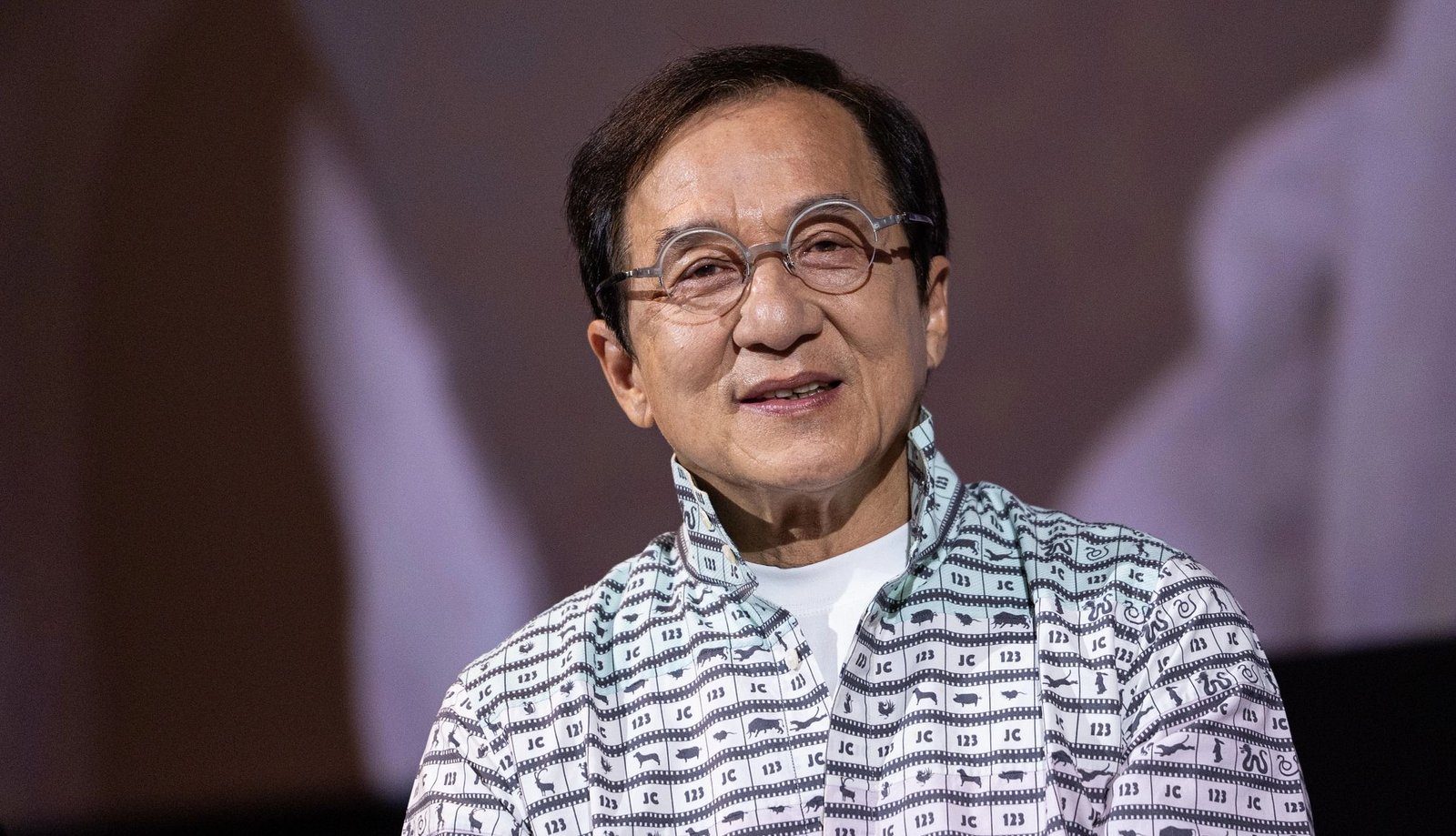
Legacy and Continuing Influence
Jackie Chan’s career represents more than cinematic achievement — it embodies perseverance and reinvention. His willingness to take risks, both physically and artistically, has elevated him to legendary status. Even into his later years, Chan continues performing stunts, directing, and mentoring young talents in China’s rapidly growing film industry.
He remains one of the few actors whose appeal is truly global, transcending language, culture, and genre. From Hong Kong street fights to Hollywood blockbusters, Chan’s cinematic universe blends humor, emotion, and humanity.
His legacy will endure not only through his extensive filmography but also through the ethical values he promotes — humility, respect, and generosity. Jackie Chan is not merely an entertainer; he is a cultural ambassador whose life’s work continues to inspire generations.
Conclusion
Jackie Chan’s journey from a young opera student in Hong Kong to one of the world’s most recognizable film stars is a testament to talent, endurance, and creativity. Through decades of physical risk, artistic innovation, and relentless work, he has transformed action cinema and expanded global appreciation for martial arts storytelling.
As a filmmaker, philanthropist, and symbol of perseverance, Chan remains a unique force in modern entertainment. His life reflects the timeless message that success is not just measured by fame or fortune but by the positive impact one leaves behind.
Today, Jackie Chan stands not only as a cinematic legend but also as a living example of how passion, discipline, and integrity can transcend every boundary — cultural, linguistic, and artistic.